
What Makes Email Marketing Meaningful Within the System
When we talk about email marketing, I think there is one idea that should be made clear from the outset: it does not work simply because you have a tool for sending emails or because you send mass emails for the sake of it. Email marketing makes sense when it is part of a lead generation and conversion system—that is, when it does not appear in isolation at the end, but is connected to a source of visibility, a landing page, and a clear next step.
Because, ultimately, the problem is not usually a lack of sophistication. Often, what is missing is something more basic: having the essential pieces in place, keeping them simple if necessary, but ensuring they are properly connected and work well. If there is no connection between the top of the funnel, lead capture, and the subsequent sequence, email marketing becomes little more than a tool for sending mass emails without much thought, and that is when it stops providing real value.
In other words, the value does not lie in sending lots of emails, or even in automating them, but in making sure each part drives people toward the next. First you capture attention, then turn it into a contact, and afterward nurture that relationship. Once you understand this, you no longer see email marketing as a standalone channel, but as part of a more complete journey.
Lead Generation Is the Starting Point, Not a Preliminary Detail
Lead generation is the true beginning of all this, not a preliminary step to be addressed later. If you do not have a source of leads, there is no system to feed, which is why the top of the funnel matters so much. Those leads may come through content, which tends to be a more organic route, or through ads, which many people use to accelerate visibility and generate demand more quickly.
However, this does not mean that one option invalidates the other. Quite the opposite: ideally, they should complement each other. Organic lead generation gives you a foundation, while ads allow you to boost results when needed. This combination diversifies your sources and also reduces dependence on a single channel, which is very important when you want the system to remain consistent and not collapse because one source fails.
This also changes how you should understand email marketing. It does not begin once someone has already given you their email address. It begins earlier, when you decide where you will attract that person from and what kind of message will bring them in. Because depending on that entry point, one type of conversation or another will make sense afterward.
The Landing Page Must Continue What the Entry Channel Promised
Once you have a lead generation channel, the landing page cannot operate independently. It has to continue what the person was seeing before, whether that was content, an ad, or a specific offer. If someone clicks because a particular approach caught their interest and then finds something different when they arrive, even if it is similar, you have already created unnecessary friction, and that is where you start losing leads.
That is why having one generic landing page for everything is not enough. Each campaign, or at least each type of entry point, should have a page that reinforces the initial message. It does not need to be overly complicated, but it does need to remain consistent. If the entry channel promises one thing and the landing page talks about something else, the journey breaks down precisely where it should become clearer.
This is even more noticeable with ads because you do not just lose attention—you also lose money. But the same thing happens with organic traffic, even if it is less visible. The person arrives with an expectation, and the landing page has to meet it and guide them to the next step without changing the context halfway through the journey.
Converting Is Not the Same as Informing: The Landing Page Must Ask for or Deliver Something
There is another fairly common misconception here: thinking that a landing page fulfills its purpose simply by clearly explaining what you do. That is not exactly the case. Providing information can help, of course, but conversion is something else. A landing page has to ask for something or deliver something. There has to be a form, a resource, a meeting, a request for information, or whatever the appropriate next step may be, but something has to happen.
If the page only explains and does not prompt action, it becomes an informational asset rather than a conversion asset. Within an email marketing system, that is a problem because it interrupts the flow precisely where you should be turning a visit into a contact. The step does not need to be aggressive or complex, but it does need to exist and be clear.
Moreover, that next step is not a minor detail. It defines what type of lead enters the system and what kind of conversation you will be able to have afterward. If you provide a free resource, you begin a different relationship from the one you would have with someone who requests a meeting. If someone provides their details to receive something, they are already giving you a signal, and you can then use that signal to avoid treating everyone the same way.
Email Marketing Sequences Must Adapt to the Lead's Stage
Once the lead has entered the system, the common mistake is to put everyone into the same automation and expect it to work. In my view, that is where email marketing begins to lose much of its effectiveness. Not everyone arrives in the same way, understands the same things, or is at the same point. That is why sequences have to adapt to the stage that lead is at in their process.
This does not mean building something highly sophisticated from day one. Rather, it means properly classifying where that person came from, their level of awareness, and the type of conversation they need right now. A useful sequence is not a chain of mass emails sent indiscriminately, but a series of emails that fit the lead's current stage and help them move forward.
When you do this well, email marketing stops being just a follow-up tool and becomes a way to nurture the relationship. You provide valuable content, maintain interest, and lay the groundwork for a later action. This only happens if the sequence responds to a specific stage, not if you try to address everything with the same block of emails for everyone.
Not All Leads Need the Same Conversation
This is very important because people are often all lumped together: the same form, the same sequence, and the same message. But if one person arrived through early-stage content and another arrived because they were already considering a solution, the conversation cannot be the same. One needs to better understand the problem or context, while the other probably needs clarity to make a decision or take a more direct step.
That is why it is worth designing sequences by stage. Not arbitrarily, but because each stage has a different need. If you do not make that distinction, email marketing becomes generic and starts to sound like mass emailing instead of a meaningful conversation.
Each Sequence Must Provide Value and Lead to the Next Step
Providing value does not mean sending emails just to stay active. It means sending emails that help people understand something, resolve a question, or see more clearly why it would make sense to keep moving forward. Alongside that, each sequence should have a direction: guiding the lead toward the appropriate next step, whether that means consuming more content, requesting information, scheduling a meeting, or moving closer to an offer.
If a sequence only entertains or only informs, it falls short. And if it only pushes for a sale from the outset, it also fails. What works best is a combination of useful content and gradual progress, because that keeps the conversation flowing and allows the sales step to come when it makes more sense.
From Traffic to Contact: How the Entire System Connects
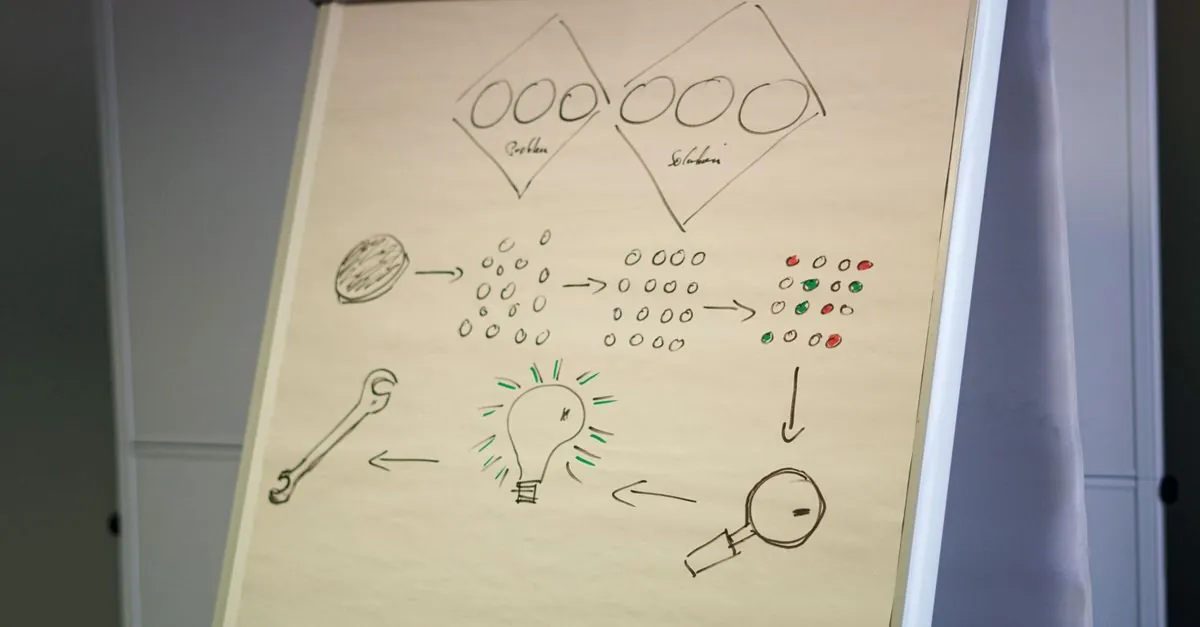
When you bring all of the above together, what emerges is not a collection of disconnected tools, but a fairly clear journey. First, you need traffic or visibility, whether through content, ads, or a combination of both. Then you need a landing page aligned with that entry point. Next, you need a real conversion through a form, resource, or next step. From there, you need an email marketing sequence that continues the conversation according to the lead's stage.
For me, that is the key point: everything must be connected. The person should not jump from one message to another without continuity, and each piece should prepare them for the next. Because when that does not happen, the system loses effectiveness across the board: you generate leads less effectively, convert less effectively, and the emails become simple mass messages with little real value.
So, if you want email marketing to work, do not view it merely as an inbox from which to send campaigns. See it as part of a complete system: entry point, consistency, conversion, and stage-based follow-up. Even if each element is simple, when it is well designed and properly connected, you have a solid foundation that makes the entire system genuinely useful and ensures none of the essentials are missing.
To put this planning into practice, see how NextBlog's newsletter tool connects articles, audience segments and campaign sends.
👉 A contact leaves you their email address, and 30 days go by. Twelve questions, to answer with someone from sales by your side, tell you when the lead goes cold and what to do. Review what we do with each new contact